Infrared (IR) light, particularly the far-red wavelength range (700-1000 nm), plays a significant role in plant growth and development, although it is not directly used for photosynthesis like visible light.
1. Interaction with phytochromes
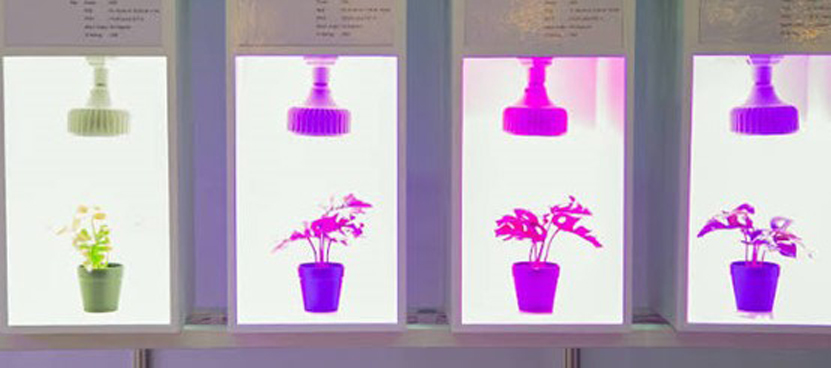
- Plants contain photoreceptors called phytochromes that regulate various developmental processes, including germination, stem growth, and flowering.
- Phytochromes exist in two forms, Pr (red-absorbing) and Pfr (far-red-absorbing).
- The balance between these two forms, known as the phytochrome photoequilibrium (PPE), influences the plant's growth response, acting as a signal for the plant's environment.
2. Promoting stem elongation and leaf expansion (shade avoidance)
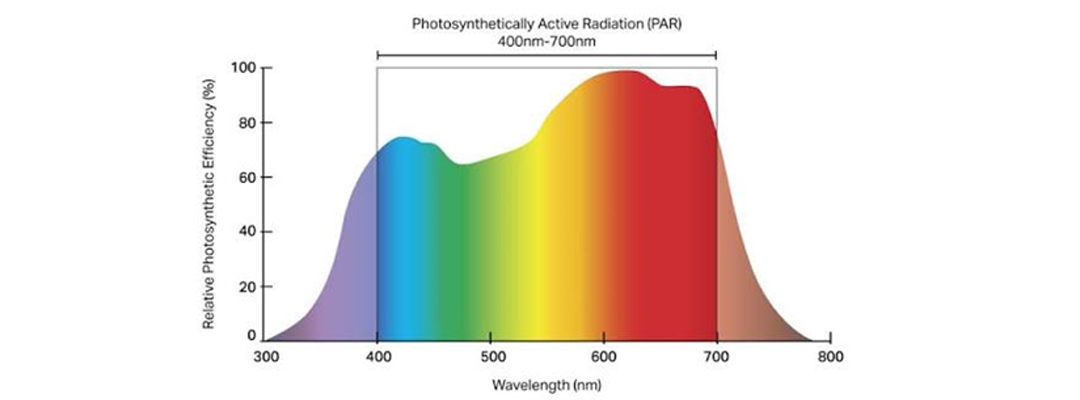
- Far-red light triggers a shade avoidance response in plants, causing them to elongate their stems and expand their leaves in search of more light.
- This response is initiated when plants detect a shift in the ratio of red to far-red light, indicating they are shaded by other plants.
- While potentially beneficial in certain indoor environments to maximize vertical space or light capture, excessive elongation can lead to undesirable stretching and reduced productivity.
3. Influencing flowering and fruiting
- IR light, particularly when combined with red light, can stimulate flower initiation and improve fruit set in some plants, potentially leading to increased yields.
- The balance of red and far-red light can be manipulated to control the timing of flowering, especially in short-day and long-day plants.
- Far-red light can accelerate flowering and enhance bud production when applied during the dark period (night interruption).
4. Effects on seed germination and circadian rhythms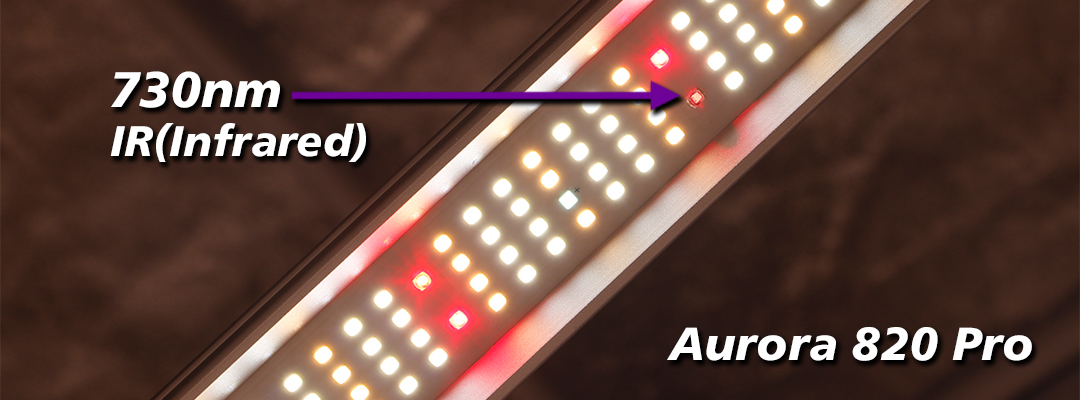
- Certain seeds require exposure to far-red light to break dormancy and initiate germination.
- Phytochrome systems play a crucial role in regulating seed germination based on the red to far-red ratio.
- IR light also influences circadian rhythms in plants, helping regulate daily cycles of growth and metabolic activity, and synchronizing processes like photosynthesis and nutrient uptake with the day-night cycle.
5. Potential for warmth
- IR light also emits heat, which can provide warmth to plants in cooler climates or indoor environments where temperatures might be suboptimal.
- However, it's crucial to avoid overexposure, as too much IR can lead to heat stress and damage, potentially affecting plant health and yield.
Find out our latest LED grow lights with IR add-on that promote your plants growing!
What have we learned?
IR light, specifically far-red wavelengths, acts as a crucial regulator in plant development. While not directly driving photosynthesis, it influences various physiological processes through interactions with phytochromes, impacting stem elongation, flowering time, seed germination, and circadian rhythms. By understanding the impact of IR light and strategically integrating it into their lighting setups, growers can optimize plant growth, manipulate flowering, and potentially improve yields in controlled environments.