Summer Indoor Growing Environment Management Guide
Commercial Greenhouses & Indoor Horticulture Optimization
🔍 Introduction
Summer introduces significant environmental stress to indoor cultivation systems, especially in controlled greenhouse and indoor horticulture setups. Rising ambient temperatures, unstable humidity levels, and increased lighting heat loads can disrupt plant development and reduce overall system efficiency.
Modern indoor growing is no longer just about lighting or irrigation—it is about integrated climate control systems that stabilize temperature, humidity, and airflow simultaneously.
This guide explores advanced summer environment management strategies for both commercial greenhouse operators and indoor horticulture enthusiasts.
1. Key Environmental Challenges in Summer
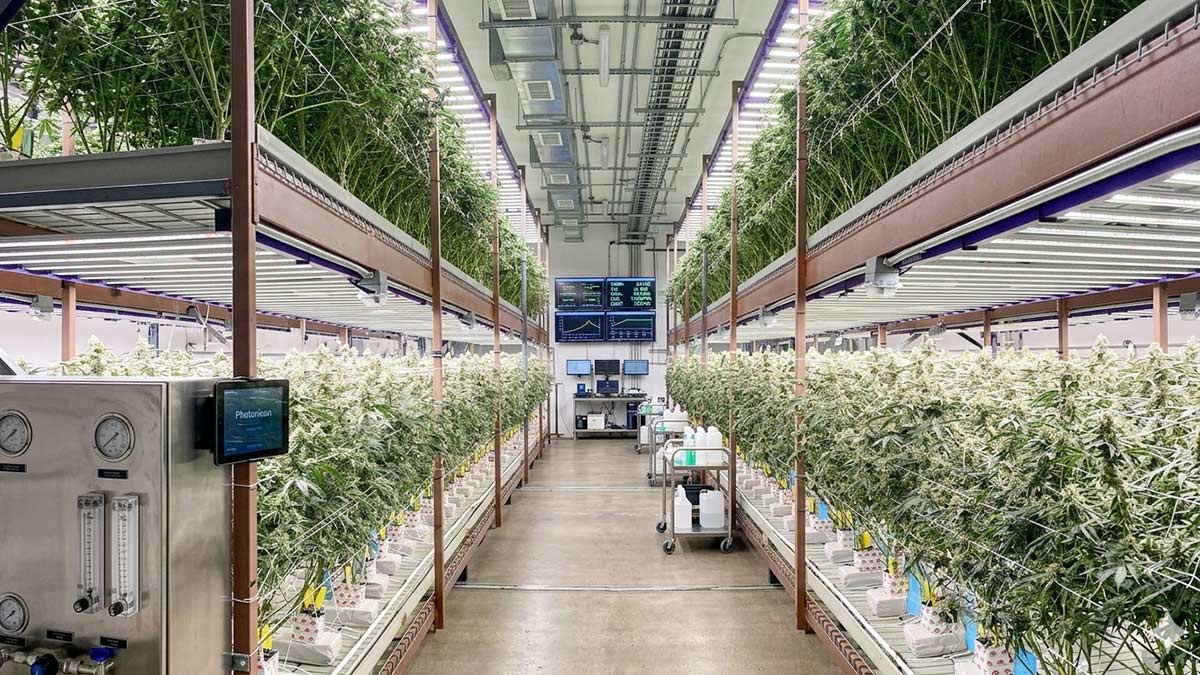
Indoor grow environments face three primary stress factors during summer:
1.1 Heat accumulation
- Lighting systems generate continuous thermal load
- External heat penetrates poorly insulated spaces
1.2 Humidity instability
- Increased evapotranspiration
- Cooling systems introduce moisture fluctuations
1.3 Air stagnation
- Poor circulation creates microclimates
- Localized heat zones reduce uniformity
Commercial vs Home System Comparison
|
Category
|
Commercial Greenhouse
|
Home Indoor Grow
|
|
Climate control
|
Integrated HVAC + automation
|
Split AC + fans
|
|
Monitoring
|
IoT sensor network
|
Basic hygrometer
|
|
Control strategy
|
Zoned environmental control
|
Single-room control
|
|
Optimization goal
|
Energy efficiency + yield stability
|
Simplicity + cost control
|
2. Temperature Control Strategy
Stable temperature is more important than extreme cooling.
Core optimization methods:
- Use high-efficiency HVAC systems for continuous regulation
- Reduce internal heat load via LED lighting systems
- Implement thermal zoning (hot/cool separation)
- Improve insulation with reflective materials
- Use scheduled temperature cycling instead of constant cooling
Temperature Management Table
|
Method
|
Effectiveness
|
Energy Efficiency
|
Scalability
|
|
HVAC automation
|
High
|
Medium
|
High
|
|
LED lighting upgrade
|
High
|
High
|
High
|
|
Reflective insulation
|
Medium
|
High
|
High
|
|
Passive ventilation
|
Low–Medium
|
High
|
Medium
|
3. Humidity Regulation Strategy
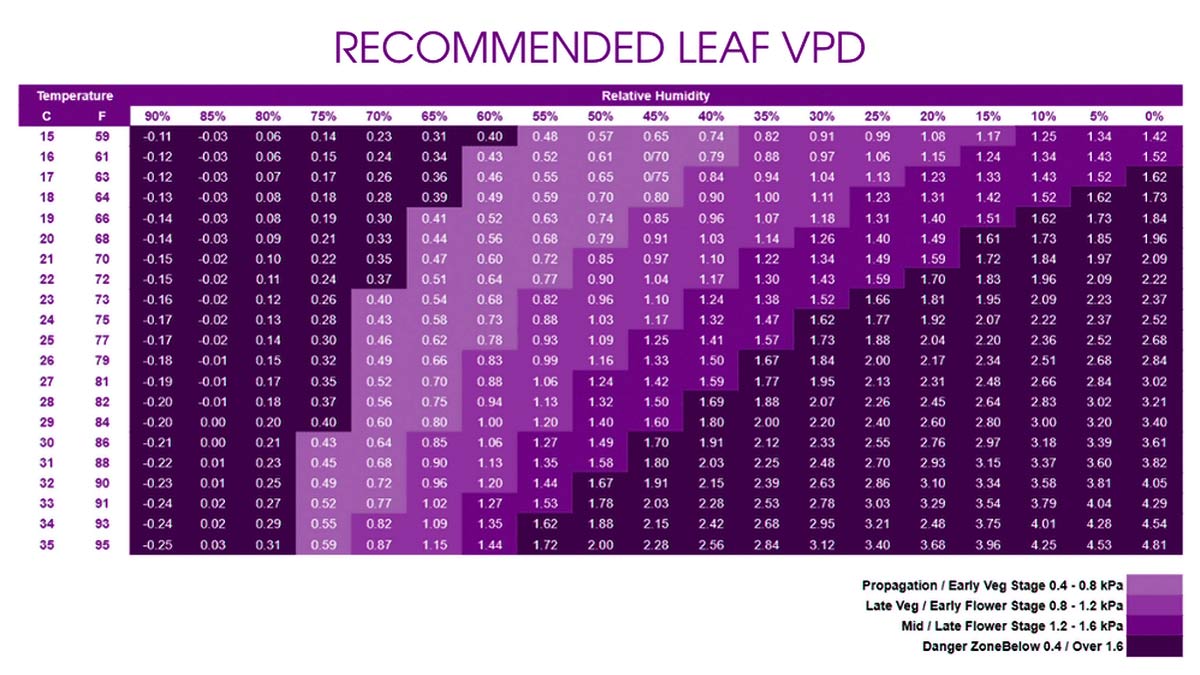
High temperature combined with high humidity is one of the most critical risks in summer indoor environments.
Best practices:
- Install properly sized dehumidification systems
- Maintain continuous air exchange cycles
- Separate intake and exhaust airflow paths
- Apply day/night humidity balancing strategies
4. Airflow Optimization System Design
Airflow determines environmental uniformity.
Recommended airflow structure:
- Upper zone: heat exhaust ventilation
- Mid zone: horizontal circulation fans
- Lower zone: gentle redistribution airflow
Commercial systems often use multi-layer airflow architecture, while home setups simulate this using multiple oscillating fans.
5. Lighting Heat Load Optimization
Lighting is often the largest internal heat source in indoor grow environments.
Optimization strategies:
- Upgrade to high-efficiency LED Grow Light Systems
- Reduce peak intensity during high ambient temperature periods
- Use dimmable lighting schedules
- Improve thermal dissipation design of fixtures
6. System-Level Optimization Principles
Effective summer grow environment control relies on three engineering principles:
- Reduce heat generation at source
- Increase heat extraction efficiency
- Stabilize environmental fluctuations through automation
7. Smart Control & Automation Trends
Modern greenhouse systems increasingly rely on:
- Multi-sensor environmental monitoring
- AI-based climate prediction systems
- Automated HVAC zoning control
- Cloud-based data dashboards
These systems help reduce manual intervention while improving consistency.
Planning to switch to LED grow light system for your summer grow?
Contact us for a commercial bulk price with competetive discount.
FAQ
Q1: How can I reduce cooling costs in summer indoor growing?
A1: Switching to high-efficiency LED lighting significantly reduces heat load, lowering HVAC demand.
Q2: Can Photonican systems integrate with existing greenhouse setups?
A2: Yes, Photonican lighting solutions are designed to integrate with HVAC, sensors, and automation systems.
Q3: Is airflow really as important as lighting?
Q3: Yes. Without proper airflow, even the best lighting system cannot maintain a stable environment.
Q4: Do Photonican lights support dimming?
A4: Yes, enabling dynamic control based on environmental conditions.
Q5: Who are Photonican products designed for?
A5: Distributors, greenhouse operators, indoor farms, and OEM partners.